

Key Highlights
- Crown reduction is a tree pruning technique used to reduce the size of a tree’s crown while maintaining its natural shape.
- It involves selectively removing branches and reducing the length of others.
- Crown reduction can enhance tree aesthetics, promote growth, and prevent disease.
- It is often used when a tree has become too large for its surroundings or poses a risk to property.
- This procedure should always be carried out by trained arborists to ensure proper techniques and safety measures are followed.
- Seeking professional help guarantees the tree’s well-being and preserves its aesthetic appeal.
Introduction
Are you worried about a tree that has grown too large on your property? Crown reduction could be the answer.
Crown reduction is a popular pruning method to manage a tree’s size without compromising its crown’s structural integrity or natural form. This technique involves shortening branches, particularly those in the upper canopy, to effectively reduce the tree’s overall height and size.
In this guide, we’ll discuss:
- What is crown reduction?
- How does crown reduction work?
- The difference from other tree pruning techniques
- Benefits of crown reduction
Let’s jump in.
What is Crown Reduction?
Crown reduction is a tree pruning technique that reduces the overall size and volume of a tree’s crown (canopy). It involves selectively removing portions of the outer branches, aiming to maintain the tree’s natural shape while making it smaller and less dense.
Crown reduction is a common service offered by tree experts such as our team at Evolution Tree Surgery. Based in Newbury, Berkshire, we offer residential and commercial crown reduction, along with other tree services such as tree felling and hedge maintenance.
If you’re looking for a free quote, get in touch!
How Does Crown Reduction Work?
Crown reduction decreases the density of a tree’s canopy. Tree surgeons achieve this by pruning the outer portions of branches, focusing on reducing both the height and spread of the crown.
They carefully assess the tree’s structure, health, and the desired outcome before making any cuts. Using specialised tools and techniques, they remove branches back to suitable growth points, ensuring that the remaining limbs are healthy and well-positioned to form the new, smaller crown.
The goal is to create a balanced and aesthetically pleasing result that reduces the risk of breakage, increases light penetration, and promotes the tree’s overall well-being.
How Crown Reduction Differs From Other Pruning Techniques
Crown reduction is a popular technique and differs from other pruning methods like crown lifting and crown thinning.
Each method has a special purpose:
- Crown Lifting means cutting off the lower branches of a tree. This is done to make more space beneath the crown. It helps improve visibility or lets people and vehicles pass by more easily.
- Crown Thinning is about reducing the number of branches in a tree’s crown. This method selectively removes branches to let more sunlight and air through, which helps the tree stay healthy.
- Crown Reduction Cuts are bigger cuts that shorten the length of branches. This method is used to shrink the crown size when a tree’s growth needs to be controlled for reasons like space or safety.
Benefits of Crown Reduction
Crown reduction offers many benefits for both the tree and its surroundings.
Here are some of the most significant advantages:
Benefits For The Tree:
- Improved health: Removing dense outer growth allows for better air circulation within the crown, reducing the risk of fungal diseases. It also allows sunlight to penetrate deeper, promoting healthy growth of inner branches.
- Reduced risk of breakage: By reducing the overall weight of the crown, particularly at the ends of branches, crown reduction lessens the strain on limbs and reduces the likelihood of breakage due to wind, snow, or ice.
- Enhanced structural integrity: Selective pruning can remove weak or crossing branches, improving the tree’s overall structure and making it more resilient to environmental stressors.
- Stimulated growth: In some cases, crown reduction can encourage new growth, leading to a fuller and healthier canopy in the long run.
Benefits For The Surroundings:
- Increased light penetration: Reducing the crown’s density allows more sunlight to reach the ground below, benefiting lawns, gardens, and nearby buildings.
- Reduced wind resistance: A less dense crown offers less resistance to wind, reducing the risk of the tree being uprooted or branches being torn off during storms.
- Improved aesthetics: Crown reduction can help maintain a tree’s natural shape and enhance its overall appearance, making it a more attractive feature in the landscape.
- Reduced nuisance: By managing the tree’s size, crown reduction can prevent branches from encroaching on buildings, power lines, or other structures.
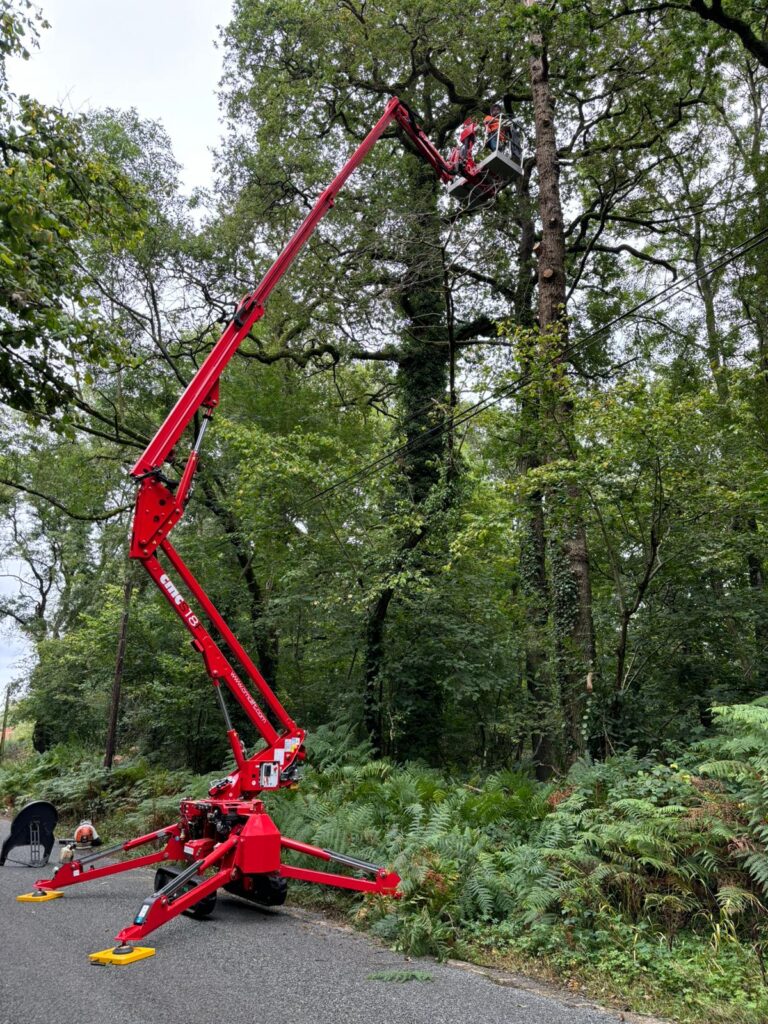
Contact Evolution Tree Surgery in Newbury
At Evolution Tree Surgery in Newbury, we are passionate about trees and dedicated to providing quality tree care services. Our team of experienced arborists is equipped to handle crown reduction, tree removal, hedge maintenance, tree pruning, tree pollarding and stump grinding needs.
If you’re looking for professional and qualified experts in Newbury, Berkshire, Reading and the surrounding areas, get in touch with us today.
For a free quote, call Evolution Tree Surgery in Newbury at 07917 195806.
Frequently Asked Questions
What is the main purpose of crown reduction?
The main goal of crown reduction is to make a tree smaller while keeping its natural shape. People do this when the tree’s size is a problem for nearby buildings or power lines. It can also be because the tree has a crown that is too big for its location. Crown reduction can help improve the shape of its crown, boost fruit production, or lower the risk of damage from storms.
Is crown reduction better than topping?
Crown reduction is far superior to topping. Topping is a drastic, harmful practice that removes entire branch tips, leaving the tree vulnerable. Crown reduction selectively removes individual branches, minimising stress and promoting healthy regrowth next year. It’s better for the long-term health of the tree, especially large trees in restricted environments.
What is the difference between crown thinning and crown reduction?
Crown thinning focuses on removing select individual branches within the crown to increase light penetration and reduce the effects of shading. Crown reduction, on the other hand, reduces the overall size of the crown, including both height and spread, by shortening the outer portions of branches. Both are forms of tree work but achieve different results.
Does crown reduction reduce the height of a tree?
Yes, crown reduction can reduce the crown’s overall height, but it’s not the primary goal. It aims to reduce the size of the tree’s foliage in all dimensions. While the crown of the tree may appear shorter after reduction, the focus is on creating an acceptable size and shape for the location of the tree, considering the species of tree and its specific needs, whether it’s a cherry, a large tree, or a fruit tree.
Related Guides:
- What is a Tree Surgeon?
- What is an Arborist?
- When is the Best Time to Cut Trees Back
- Step-by-Step: How and When to Trim Box Hedge
- Common Types and Symptoms of Tree Disease
- How to Choose a Tree Surgeon in Newbury
- What is Tree Felling?
- Guide to Pruning and Trimming Cherry Trees
- When To Prune Magnolia Trees